 Port communication
Dangerous goods:(hazardous material ),Flammable、Explosive、Strongly corrosive、General term for poisonous and radioactive items。such as gasoline、dynamite、strong acid、strong base、benzene、Naphthalene、celluloid、Peroxide, etc.。in production、transportation、store、Destruction should be handled scientifically and properly。
Dangerous goods:strictly classified,According to relevant national regulations and the different hazards of items and substances,Dangerous goods are divided into 9 categories:
Dangerous goods sign:is the physics used to represent dangerous goods、chemical properties,and signs of danger。It can remind people when transporting、store、storage、Attracting attention during transportation and other activities。
Dangerous goods are divided into nine categories according to their different hazards.,Some of these categories are divided into several items。

Dangerous goods classification
Category 1:Explosives
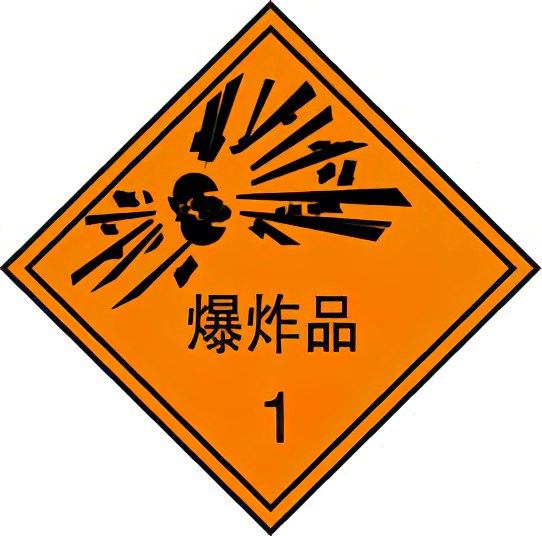
A class of goods is divided into five categories according to their risk.:
1、Category 1 Item 1,Substances and articles with a general explosion hazard。
2、Category 1 Item 2,Possible projectile hazard,But there is no overall explosion hazard substances and articles。
3、Category 1 Item 3,There is a risk of burning and minor explosion or minor projectile hazards,or both,But there is no overall explosion hazard substances and articles。
4、Category 1, Item 4,Explosive substances and articles without significant danger。
(This product is less dangerous,In case of ignition or explosion,Most of its dangerous effects are limited to the interior of the package,There is no significant risk to the outside of the package。)
5、Category 1, Item 5,Very insensitive explosive material。
(The nature of this item of goods is relatively stable.,Will not explode during fire test。)
Category 2:Compressed and liquefied gases
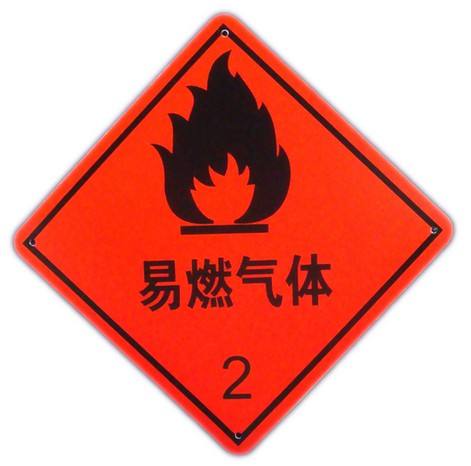
Class II goods are divided into three categories based on their chemical properties:
1、Category 2 Item 1:Flammable gas。Encountering open flame under normal temperature and pressure、High temperatures may cause combustion or explosion,When burned, its vapor has certain irritating and toxic effects on humans and animals.。
2、Category 2 Item 2:non-flammable gas。means non-toxic、non-flammable gas、Includes combustion gas。However, it has a suffocating effect at high concentrations.。Combustion-supporting gas has strong oxidizing effect,May burn or explode when in contact with grease。
3、Category 2 Item 3:toxic gas。The toxicity index of this cargo is the same as that of Category 6。Strongly poisonous to humans and animals、asphyxia、burn、Stimulating effect,Some of them are also flammable、Oxidation、Corrosion and other properties。
Category III:Flammable liquid
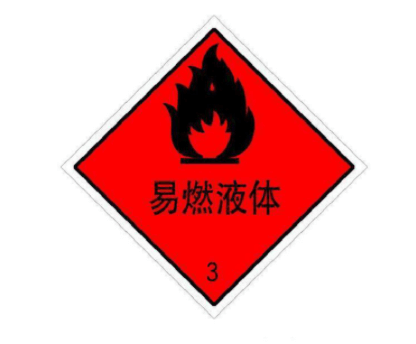
The third category of items is divided into three categories according to their flash point (closed cup test):
1、Category 3 Item 1,Low flash point liquid:Refers to liquids with a closed cup test flash point lower than -18°C。
2、Category 3 Item 2,medium flash point liquid:Refers to liquids with a closed cup test flash point between -18°C and lower than 23°C。
3、Category 3 Item 3,High flash point liquid:Refers to liquids with a closed cup test flash point between 23°C and 61°C。
Category 4:Flammable solids、Self-igniting items and items that are flammable when exposed to moisture
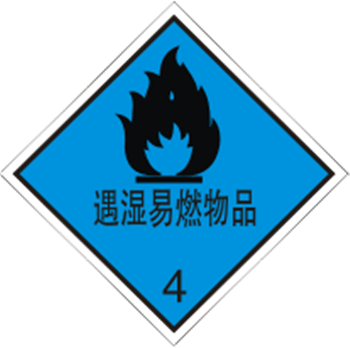
The fourth category of goods is divided into three categories according to their different characteristics of combustion conditions.:
1、Category 4 Item 1,Flammable solids,This product has a low flash point (less than 400℃),heat、impact、friction sensitive,Easily ignited by external fire sources,Burns quickly (burning speed is greater than 0.5cm/s),and may emit toxic fumes or gases,But does not include substances listed as explosives。
2、Category 4, Item 2,Self-igniting items,This item refers to goods with low auto-ignition point (self-heating auto-ignition point is lower than 200℃),prone to oxidation reactions in air,Release heat,self-combustion。
3、Category 4, Item 3,Wet and flammable items,This item of goods refers to when exposed to water or moisture,Violent chemical reaction occurs,Release large amounts of flammable gas and heat,that can cause combustion or explosion。
Category 5:Oxidants and organic peroxides
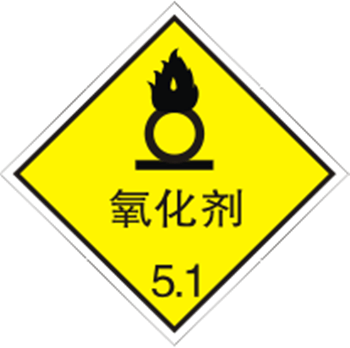
Category 5 goods are divided into two categories based on their chemical characteristics:
1、Category 5 Item 1,oxidizing agent,This product refers to goods that are in a highly oxidized state,Has strong oxidizing properties,Easily decomposes and releases oxygen and heat,Can cause the burning of combustible materials;Can form explosive mixtures with soft powdery combustibles,heat、Sensitive to vibration or friction。
2、Category 5 Item 2,organic peroxide,This product refers to organic substances containing peroxy groups in their molecular composition,Flammable and explosive,Very easy to decompose,heat、Extremely sensitive to vibration or friction。
Category 6:Toxic and infectious substances
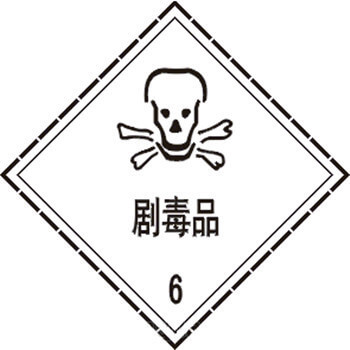
Class VI goods are divided into two items:
1、Category 6 Item 1,Poisons
2、Category 6 Item 2,infectious materials
Category 7:Radioactive items
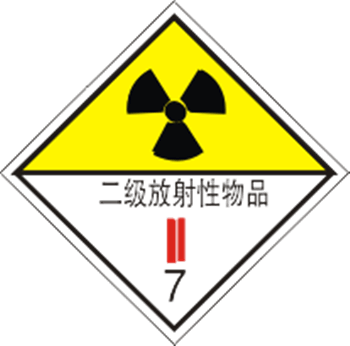
Category 7 goods are divided into:
1、Radioactive isodigit - generally the radioactive specific activity is larger,Half-life is long or short。
2、Radioactive chemical reagents and chemical products - generally less radioactive,Longer half-life。
3、Low specific radioactivity material - the radioactivity is evenly distributed within the material,Radioactive specific activity is small,Longer half-life。Generally refers to uranium、Thorium ores and concentrates,Tritium oxide aqueous solution, etc.。
4、Low-level solid radioactive material - mostly radioactive waste relatively evenly distributed and bonded to cement、ceramics、In solid materials such as asphalt,Whole solids are less radioactive。
5、Instruments containing radioactive materials、meter。
6、Fissile material - refers to plutonium 238 、Plutonium 239 、Plutonium 241 、Uranium 233、Uranium 235 and items containing any of the above substances (excluding unirradiated natural uranium and depleted uranium)。
Category 8:Corrosion products
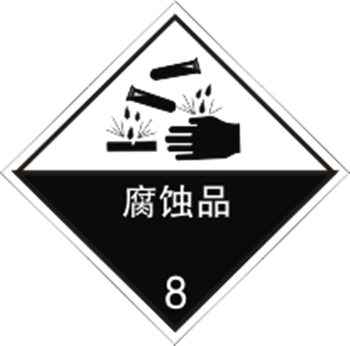
Class 8 goods are divided into three categories:
1、Category 8 Item 1,Acid corrosive products
2、Category 8 Item 2,Alkaline corrosives
3、Category 8 Item 3,Other corrosive products
Category 9 Miscellaneous、marine pollutants